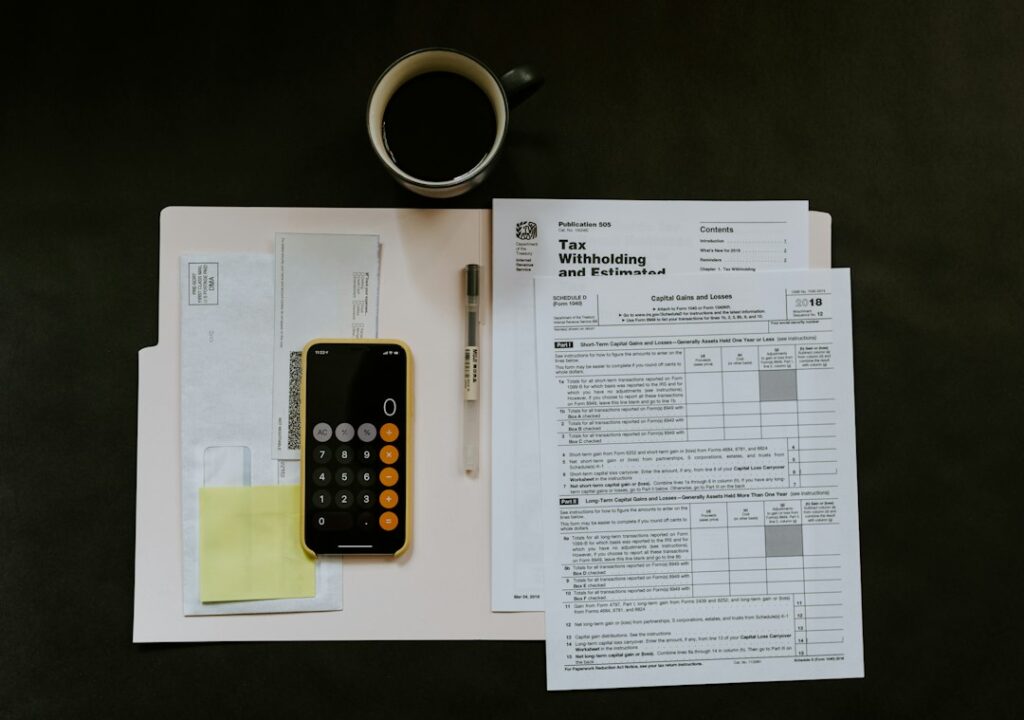
A rental property can show a tax loss even while producing positive cash flow because depreciation and other deductible expenses affect taxable income. Whether that tax loss can offset other income is a separate question governed in part by the federal passive-activity rules.
Rental real estate is generally passive
IRS Publication 925 explains that rental activities are generally treated as passive activities, even when the owner materially participates, unless a specific exception applies—most notably certain situations involving taxpayers who qualify as real estate professionals and materially participate.
Why the passive classification matters
Passive losses generally cannot be used without limit to offset wages, business income or other nonpassive income. Instead, losses may be limited and carried forward until they can be used under the applicable rules.
That means a large depreciation deduction does not automatically translate into an immediate reduction of every type of taxable income.
Suspended losses do not necessarily disappear
Losses disallowed by the passive-activity limitations are generally carried forward. Their future use depends on passive income, changes in the activity and the rules that apply when the taxpayer disposes of an interest.
Keep accurate tax records so suspended amounts are not lost administratively from year to year.
There can be a special rental real-estate allowance
Federal tax law contains a special allowance for certain rental real-estate losses when the taxpayer actively participates and satisfies the applicable income and ownership requirements.
The amount can phase out as modified adjusted gross income rises. Because thresholds and individual circumstances matter, investors should use current IRS guidance or a qualified tax professional rather than a simplified social-media rule.
Real estate professional status is a separate tax test
IRS Publication 925 provides specific requirements for qualifying as a real estate professional for passive-activity purposes. Merely owning several rental homes, holding a real-estate license or describing yourself as a real-estate investor does not automatically satisfy the federal tax test.
Material participation also matters when determining whether a qualifying taxpayer’s rental activity is treated as nonpassive.
Short-term rentals can be treated differently in some circumstances
Publication 925 contains exceptions under which an activity involving property use may not be treated as a “rental activity” for passive-loss purposes—for example, depending on average customer use and services provided.
This area becomes technical quickly and should not be handled by applying ordinary long-term-rental assumptions to every short-term rental.
At-risk rules are another layer
Passive-activity limits are not the only rules that can restrict losses. IRS publications also explain at-risk limitations, basis limitations and other provisions that may apply.
Tax treatment should therefore be modeled as a system, not as a single depreciation calculation.
Keep records that support participation and deductions
Depending on the taxpayer’s strategy, useful records can include:
- Property-level income and expense records
- Depreciation schedules
- Prior suspended-loss worksheets
- Ownership records
- Time and activity records when participation tests matter
- Closing statements
- Improvement records
Tax planning should happen before December 31
Investors often discover passive-loss limitations only when preparing the return. A better process is to discuss expected rental income, depreciation, sales, new acquisitions and participation status with a tax professional before year-end when planning choices may still exist.
Coso next step
Use the Coso investor path and property-management resources to keep tax planning connected to actual property operations and records.
Educational notice: This article is general federal tax education, not tax or accounting advice. Passive-activity rules are highly fact-specific and can change. Consult a qualified tax professional regarding your situation.