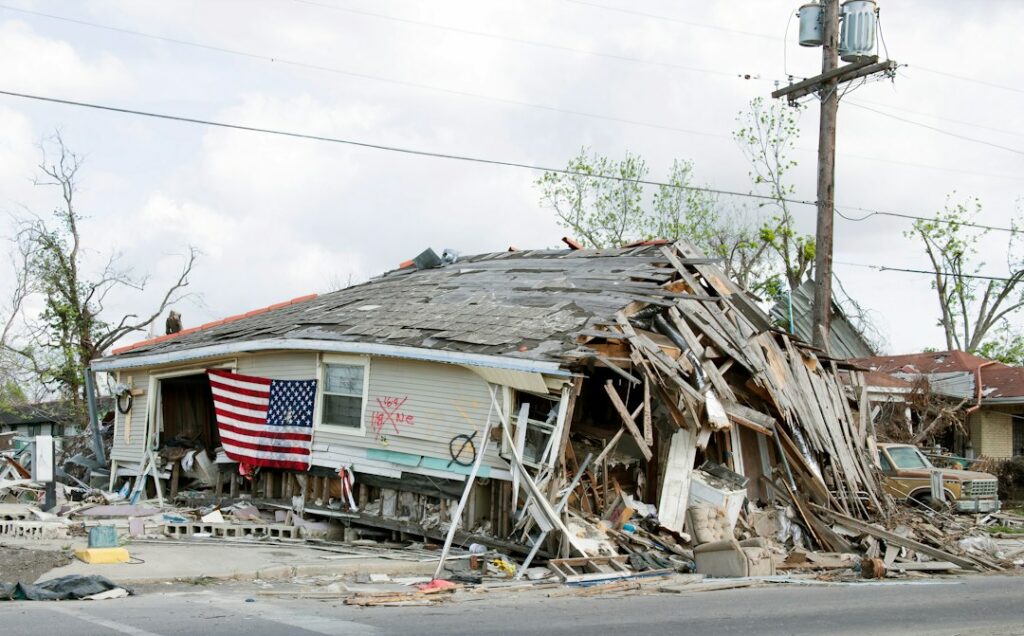
After property damage, the first hours can feel chaotic. A structured claim process helps the homeowner protect people, prevent additional damage, preserve evidence and communicate clearly with the insurance company.
The exact coverage comes from the policy, but Georgia’s Office of the Commissioner of Insurance and Safety Fire provides practical claim guidance that homeowners can use as an operating checklist.
1. Address immediate safety first
Do not enter an unsafe building merely to document damage. Fire, structural damage, electrical hazards, gas leaks and floodwater can create serious risks.
Use emergency services and qualified professionals where appropriate.
2. Prevent additional damage when reasonably possible
Insurance policies can require reasonable steps to protect the property from further damage. Examples can include temporary tarping, shutting off water or securing a damaged opening when it can be done safely.
Georgia OCI advises policyholders to keep receipts for temporary repairs.
3. Photograph or video the damage before major cleanup
When safe, create a visual record before damaged items are removed or temporary repairs change the scene.
Capture:
- Wide views of affected rooms
- Close-ups of damage
- Exterior damage
- Damaged personal property
- Water lines or staining
- Temporary repair work
4. Notify the insurer promptly
Georgia OCI recommends reporting claims as soon as possible because the policy may include notice requirements.
Use the insurer’s official claims channel and record the claim number.
5. Keep a claim log
Record:
- Date and time of each call
- Name and title of the representative
- What was discussed
- Documents requested
- Next promised action
- Deadlines
Save emails, letters, estimates and uploaded documents.
6. Preserve damaged property when practical
Georgia OCI advises policyholders not to rush into permanent repair or discard damaged property before the insurer has had an opportunity to inspect when inspection is required.
Health and safety can require immediate disposal in some situations, so document thoroughly when items cannot reasonably be retained.
7. Build an inventory of damaged belongings
For personal-property claims, list the item, approximate age, original cost if known, replacement estimate, photographs and available receipts.
A pre-loss home inventory makes this dramatically easier.
8. Provide improvement records
Georgia OCI recommends giving the claims adjuster records of property improvements. Renovation receipts, roof replacement invoices, HVAC records and appliance documentation can help establish condition and value.
9. Ask for an itemized settlement explanation
If the settlement amount is unclear, ask how the insurer calculated it and which policy language applies.
When a claim is denied, Georgia OCI recommends obtaining a written explanation identifying the reason and relevant policy language.
10. Do not rush into settlement
A homeowner should understand the scope, deductible, valuation method and covered loss before treating the first payment or estimate as the complete answer.
Build the file before a loss happens
Keep digital copies of:
- Insurance declarations and policy
- Home inventory
- Major improvement receipts
- Roof and HVAC records
- Property photos
- Contractor invoices
Coso next step
Use the property-insurance hub together with property-management resources to connect insurance readiness with maintenance and property records.
Educational notice: This article is general insurance information, not a coverage determination or claim-adjusting opinion. The policy language controls coverage.