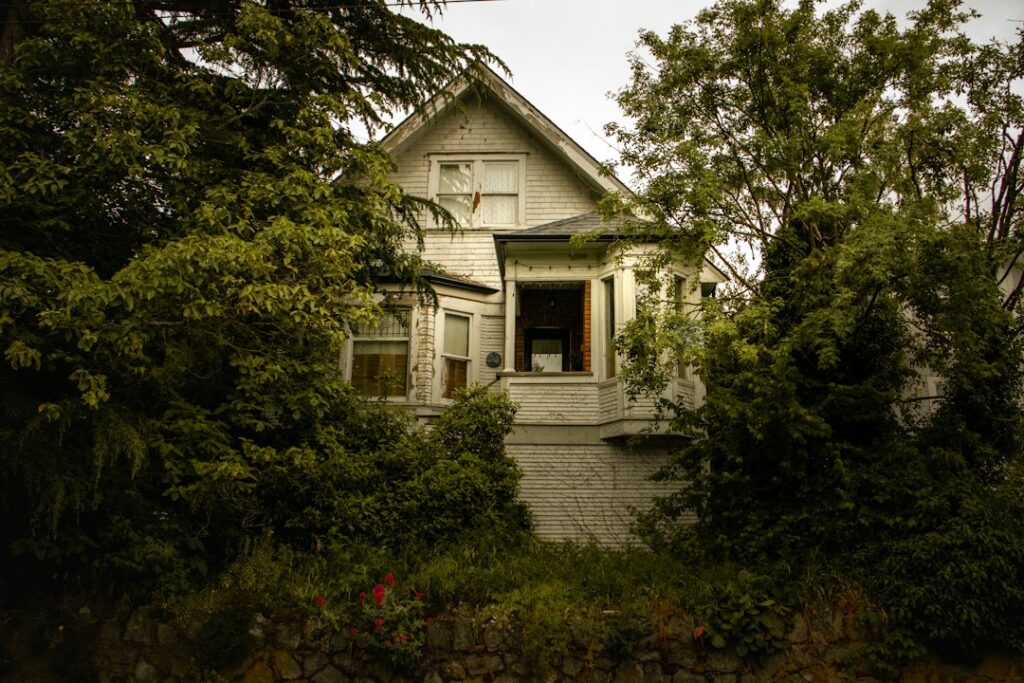
A vacant property can deteriorate quietly. A small leak can run for days, an HVAC failure can create moisture problems, overgrown landscaping can advertise vacancy, and an unnoticed broken window can become a security issue.
Property monitoring is not the same thing as property management, home inspection, security patrol or insurance adjusting. It is a repeatable observation and documentation process designed to identify changes early and route problems to the appropriate owner or professional.
Start with a baseline condition record
Before regular monitoring begins, document the property’s condition with dated photographs and a checklist. Record:
- Exterior elevations
- Doors and windows
- Roof areas visible from the ground
- Interior rooms
- Plumbing fixtures
- HVAC thermostat setting
- Appliances
- Utility status
- Yard and landscaping
- Known defects already present
Without a baseline, it is difficult to identify what changed between visits.
1. Exterior security check
Walk the accessible perimeter and look for:
- Damaged doors or windows
- Open gates
- Signs of forced entry
- Unexpected vehicles
- Broken exterior lighting
- Accumulated flyers or packages
Do not confront trespassers or enter a property when there are signs of active criminal activity. Contact the owner and appropriate authorities.
2. Water and leak check
Water damage can become expensive quickly. Look for:
- Visible leaks
- Ceiling stains
- Wet flooring
- Running toilets
- Water near the water heater
- Unusual meter activity where safely observable
- Moisture or odor changes
If a serious active leak is discovered, follow the owner’s emergency procedure.
3. HVAC and indoor climate
Confirm that the thermostat appears operational and that the indoor environment does not show obvious signs of excessive heat, cold or humidity.
Vacant homes can still require climate control to protect finishes, plumbing and indoor air conditions.
4. Exterior drainage and storm effects
After severe weather, check for:
- Standing water
- Downed limbs
- Damaged gutters
- Visible roof debris
- Fence damage
- Erosion
- Blocked drains
A monitoring visit is not a roof inspection. Do not climb onto roofing systems without appropriate qualifications, equipment and authorization.
5. Landscaping and vacancy signals
Overgrown grass, overflowing mailboxes, accumulated newspapers and uncollected packages can make a home look unattended.
Coordinate mowing, exterior cleaning, mail forwarding and package handling as appropriate.
6. Interior condition changes
Compare each visit with the baseline. Look for new:
- Cracks
- Stains
- Odors
- Pest evidence
- Damaged finishes
- Open windows
- Appliance leaks
7. Vendor and contractor access
Maintain a record of who entered the property, why they entered, and what work was completed. Keys, smart-lock codes and alarm credentials should be controlled rather than shared casually.
8. Insurance should match the property’s actual occupancy
A homeowner should notify the insurance professional when a property becomes vacant or its use materially changes. Policy terms can treat vacancy differently, and assumptions can create coverage problems.
Read the actual policy and ask the insurer or licensed agent how vacancy affects coverage.
9. Create an escalation matrix
Not every finding has the same urgency. Define:
- Emergency: active water loss, fire, forced entry, major storm opening.
- Urgent: failed HVAC in extreme conditions, broken exterior door, developing leak.
- Routine: lawn growth, minor cosmetic change, ordinary maintenance observation.
The monitoring process should route issues rather than attempting work outside the monitor’s scope.
10. Send a documented visit report
Each visit should produce a dated record showing:
- Visit date and time
- Checklist results
- Photographs
- Observed changes
- Actions taken
- Items requiring owner approval
A consistent record is far more useful than occasional text messages saying “everything looks okay.”
Coso next step
Use the property-management hub and Coso’s broader owner-and-property-care resources to connect monitoring with maintenance, insurance and asset protection.
Educational notice: This article provides general property-monitoring guidance. Monitoring is not a substitute for licensed inspection, security, emergency response, insurance adjusting or professional repairs.