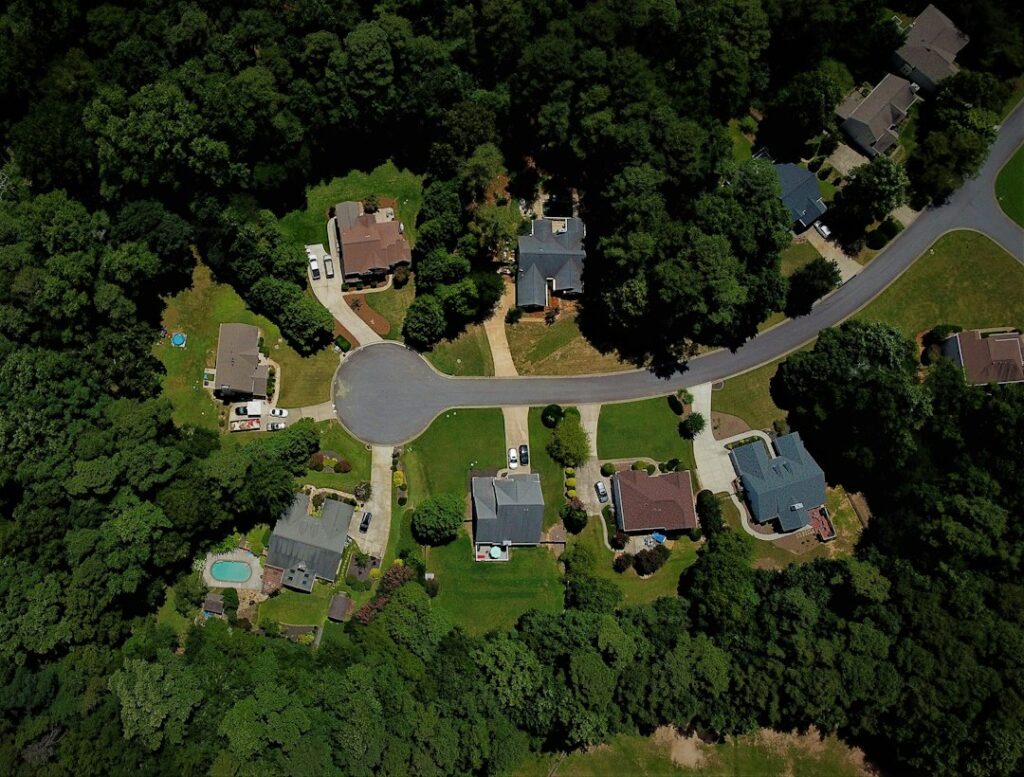
South Metro Georgia is not one uniform real-estate market. A property in South Fulton can have a very different tax, utility, zoning, insurance and rental profile from a property in Fayette, Coweta, Clayton, Henry, Douglas or Troup County.
The right due-diligence process therefore starts with the individual parcel—not a broad assumption about “South Atlanta.”
1. Confirm the exact jurisdiction
Start with the legal property address and parcel information. Determine:
- County
- City or unincorporated area
- Taxing jurisdictions
- School district
- Applicable zoning authority
Do not assume the mailing city tells you every jurisdiction that controls the property.
2. Review the county property record
Use the county tax assessor or property-record system to verify:
- Parcel number
- Recorded owner
- Land and improvement data
- Assessed value
- Exemptions
- Building information
- Recent assessment history
County data can contain errors, so treat it as a starting point rather than a substitute for survey, inspection or title work.
3. Model taxes using the buyer’s likely ownership status
The seller’s current tax bill may reflect exemptions or valuation conditions that will not apply identically to the buyer.
Owner-occupants should research available homestead exemptions. Investors should underwrite taxes without assuming owner-occupied benefits.
4. Check FEMA flood information
Use FEMA’s Flood Map Service Center to review the official flood-hazard mapping for the parcel.
Flood-zone designation is not the entire water-risk analysis. Also evaluate drainage, nearby creeks, site elevation, low areas, road drainage and prior water history.
5. Get an insurance quote before the due-diligence period ends
Do not assume the seller’s premium predicts your premium. Insurance pricing can be affected by property age, roof condition, claim history, construction, location and underwriting rules.
For an investment property, request insurance based on the actual intended use.
6. Verify utilities and infrastructure
Determine whether the property uses:
- Public water
- Well
- Public sewer
- Septic system
- Natural gas
- Propane
- Electric-only systems
Private wells and septic systems can require different inspection and maintenance planning from municipal utilities.
7. Review zoning and future use
Verify the current zoning and whether your intended use is permitted. Investors should not assume that short-term rental, multifamily conversion, accessory dwelling units, home business activity or future subdivision is allowed.
Contact the governing planning and zoning authority when the use is important to the deal.
8. Review HOA or community restrictions
If the property is subject to a homeowners association, review:
- Declaration and covenants
- Current dues
- Special assessments
- Rental restrictions
- Architectural rules
- Parking rules
- Use restrictions
Rental restrictions can materially affect an investment strategy.
9. Order a property inspection appropriate to the asset
A general home inspection can identify visible systems and condition issues, but some properties require additional specialists.
Depending on the property, consider:
- Roof evaluation
- HVAC specialist
- Sewer scope
- Septic inspection
- Structural engineer
- Termite or pest inspection
- Environmental testing where appropriate
10. Evaluate commute and access at realistic times
South Metro travel can vary significantly by corridor and time of day. Test the actual commute during the times the household or tenant is likely to travel.
Also evaluate proximity to interstate access, major employers, airport routes and daily services based on the buyer’s priorities.
11. Investors should verify rent—not guess it
Use recent comparable rental listings and actual property condition. Adjust for:
- Bedroom and bathroom count
- School zone where relevant
- Garage
- Lot and exterior maintenance
- Renovation level
- Pet policies
- Utility responsibility
Then stress-test rent below the optimistic scenario.
12. Model total ownership cost
Include:
- Mortgage payment
- Taxes
- Insurance
- HOA dues
- Utilities
- Maintenance
- Capital reserves
- Property management for rentals
- Vacancy for rentals
A property that appears inexpensive based only on purchase price can be expensive to own.
13. Review title, survey and access issues
Confirm legal access, easements, encroachments, boundary concerns and title matters through the appropriate closing and professional process.
Large lots, shared driveways and older properties deserve particular attention.
14. Build an exit plan before buying
Ask:
- Who is the likely future buyer?
- How liquid is this property type?
- Will the property appeal to both owner-occupants and investors?
- Could zoning or HOA rules restrict future options?
- What major systems are likely to require replacement?
Coso’s South Metro framework
Coso organizes the region into a practical operating footprint: South Fulton and Fayette as the local base, Coweta and Troup along the I-85 south corridor, Clayton and Henry as the southeast branch, and Douglas as a western opportunity market.
The purpose is not to claim every county performs the same way. It is to create a repeatable research system for comparing individual properties across the region.
Coso next step
Use the Coso local-markets hub, buyer path, investor resources and property-management hub to move from area-level interest to parcel-level due diligence.
Educational notice: This article is general real-estate education, not appraisal, legal, tax, engineering, insurance or investment advice. Verify each parcel through current official records and appropriate professionals.