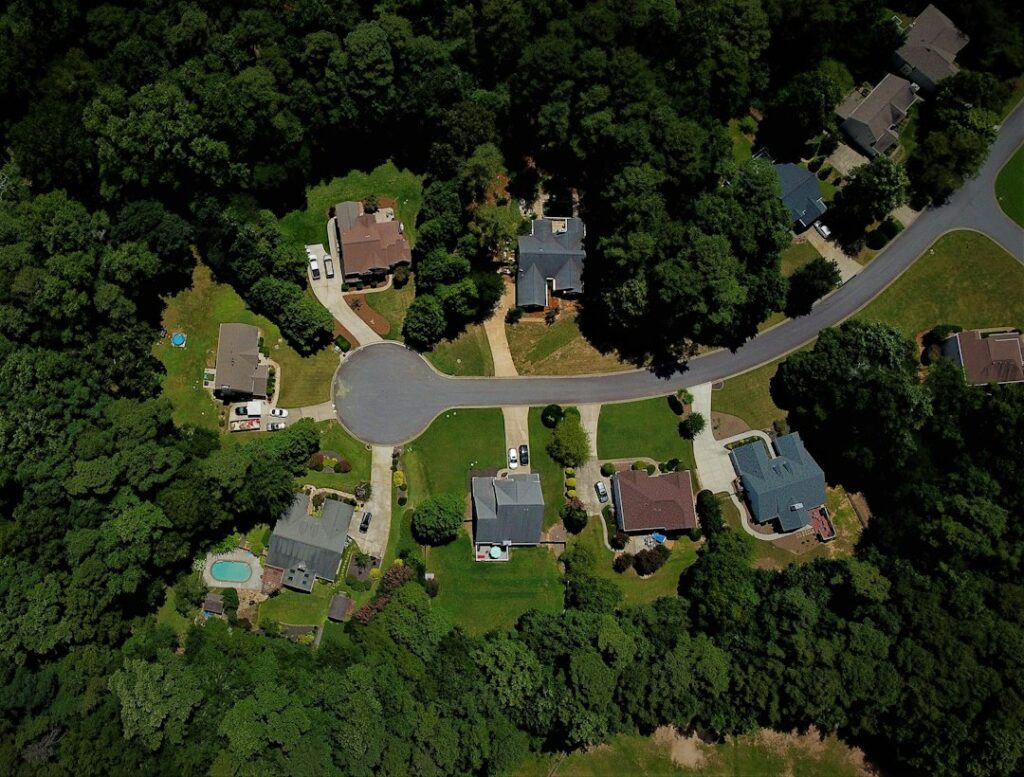
Douglas County gives buyers access to western Metro Atlanta communities, but individual properties can carry zoning overlays, historic conditions of approval, utility differences and site constraints that are easy to miss in a quick listing review.
1. Confirm whether the parcel is in Douglasville or unincorporated Douglas County
Start with jurisdiction. Municipal and county planning rules are not interchangeable.
2. Do more than read the base zoning label
Douglas County Planning & Zoning states that every property has a base zoning classification, but many properties can also be regulated by overlay districts or conditions imposed through earlier zoning approvals.
That means a simple map label may not tell the full story.
3. Consider a zoning verification letter for use-sensitive deals
Douglas County specifically states that a zoning verification letter is the most complete way to understand zoning on a property.
If a purchase depends on a particular use, development plan or business activity, written verification can be more reliable than assumptions drawn from neighboring properties.
4. Review the Unified Development Code and comprehensive planning context
The county’s Unified Development Code regulates uses, land subdivision and development processes. The Comprehensive Plan and small-area plans can provide context for expected growth and policy direction.
5. Review the tax-assessment record
Verify assessed value, parcel dimensions, improvements and exemptions. Georgia generally assesses property at 40% of fair market value for ad valorem purposes unless another provision applies.
6. Check flood, drainage and topography
Use FEMA maps, then inspect the actual site. Hills, creeks, drainage channels and road elevation can affect water movement and construction practicality.
7. Verify utilities before valuing expansion potential
Public sewer versus septic, water availability and utility capacity can materially affect a property’s development or addition potential.
8. Inspect older housing and additions carefully
Look for evidence of room additions, basement finishes, deck work, electrical changes or accessory structures and determine whether permits are relevant.
9. Get insurance pricing early
Roof age, tree exposure, prior claims, distance to fire protection and replacement cost can affect insurance. Investors should quote coverage for rental occupancy rather than owner occupancy.
10. Investors should verify rent and management logistics
Compare actual rentals near the subject property and account for travel time, vendor availability and property-management cost.
11. Review access and easements
Larger or less conventional parcels can have shared drives, utility easements or access issues. Use the title and survey process rather than relying on visible use alone.
12. Track nearby zoning activity when future character matters
Douglas County publishes planning and zoning hearing information. If a property’s appeal depends on nearby land remaining undeveloped or low density, current zoning activity belongs in the due-diligence file.
Coso next step
Use the local-markets hub, buyer path and investor resources for a complete Douglas County property review.
Educational notice: This article is general information, not legal, zoning, engineering, tax or investment advice.