
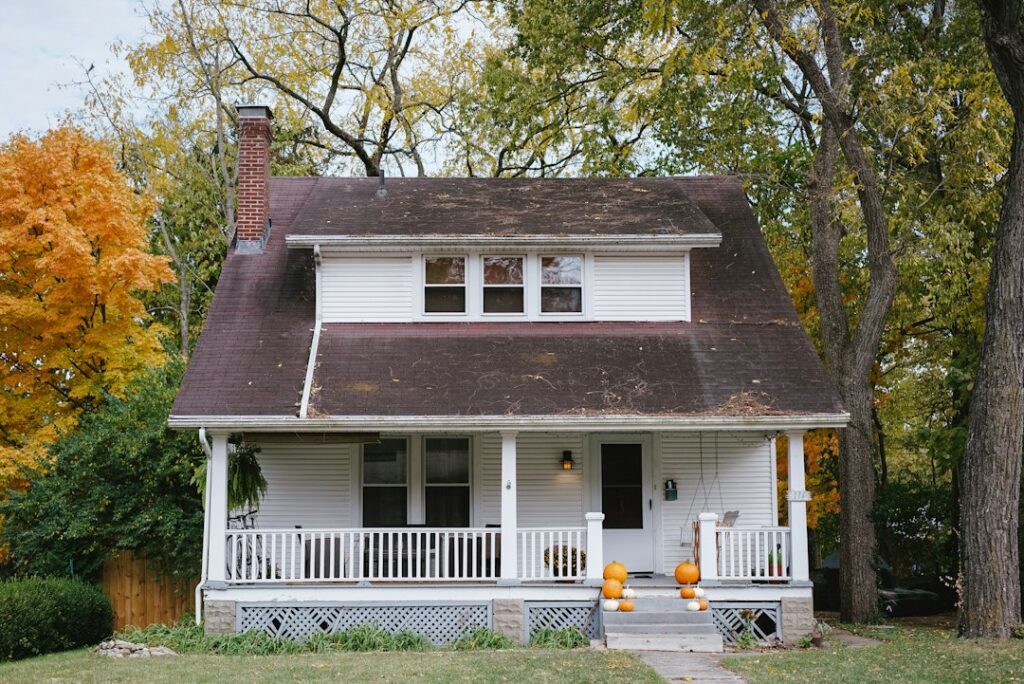
A homeowners insurance deductible is the amount the policyholder is responsible for paying toward a covered property claim before the insurer’s payment applies according to the policy.
The number looks simple, but deductible structure can materially affect both your premium and the amount of cash you need after a loss.
Higher deductible, lower premium—usually
The Georgia Office of the Commissioner of Insurance advises consumers to compare deductibles and confirms that higher deductibles may be available at a lower premium.
That tradeoff only makes sense if the owner can comfortably pay the deductible when a claim occurs.
Not every deductible is necessarily the same
A policy may use different deductible structures for different types of loss. Some policies may include special wind, hail, hurricane or other percentage-based deductibles depending on the carrier and form.
Read the declarations and endorsements rather than assuming the deductible shown in one place applies to every covered event.
A percentage deductible can be much larger than it sounds
A percentage deductible may be calculated from the insured value of the dwelling rather than the size of the loss. That can create a much larger out-of-pocket amount than a fixed-dollar deductible.
Ask the insurance professional to convert any percentage deductible into an approximate dollar figure based on the current dwelling limit.
Match the deductible to the emergency reserve
- Could I pay this deductible today?
- Would paying it leave enough cash for temporary housing or uncovered repairs?
- Does my rental-property reserve account cover it?
- Is the premium savings worth the additional claim exposure?
Avoid using insurance for routine maintenance
Insurance is generally designed for covered losses, not normal aging, wear or neglected maintenance. A lower deductible does not substitute for maintaining the roof, plumbing, electrical system and exterior.
Review deductibles annually
Property values, rebuilding costs and carrier terms change. The Georgia insurance regulator recommends reviewing home-insurance needs at least annually.
That annual review should include dwelling limit, deductibles, liability limit, personal-property coverage, loss-of-use coverage, major exclusions and flood or other separate coverage needs.
Coso next step
Use the property-insurance hub and connect coverage decisions with property management and ongoing maintenance.
Educational notice: This article is general insurance education, not an insurance quote or coverage determination. Read the actual policy and consult a properly licensed insurance professional.